
Ultrasound Guided Carpal Tunnel Release presents a significant advancement for individuals with active lifestyles suffering from carpal tunnel syndrome. This technique minimizes invasiveness and enhances surgical precision, facilitating quicker recovery times. Patients can expect reduced pain and swelling due to smaller incisions. As a result, the shift back to sports and other physical activities becomes more seamless. Understanding the specific benefits of this procedure is essential for those seeking an effective solution to regain their active lives.
Key Takeaways
- Ultrasound-guided carpal tunnel release allows for precise targeting, reducing recovery time for active individuals eager to resume their routines.
- The minimally invasive technique results in less postoperative pain, facilitating a quicker return to sports and daily activities.
- Smaller incisions lead to improved cosmetic outcomes, which is appealing for those who prioritize aesthetics in their active lifestyles.
- Real-time imaging during the procedure allows for adjustments, minimizing complications and enhancing overall functional recovery.
- Success stories highlight swift returns to activities like running and cycling, boosting both physical ability and emotional well-being.
How Carpal Tunnel Syndrome Affects Active Lifestyles
Carpal Tunnel Syndrome (CTS) poses significant challenges for individuals who engage in active lifestyles. Characterized by pain, tingling, and numbness in the hand, CTS can severely disrupt daily activities, diminishing performance in sports and hobbies. The repetitive motion associated with many physical pursuits can exacerbate symptoms, leading to decreased grip strength and coordination. Consequently, individuals may find themselves sidelined, impacting both their physical health and emotional well-being. Traditional treatment methods often require prolonged recovery times, which can be particularly discouraging for active individuals. However, advances in medical technology, such as ultrasound guided carpal tunnel release, offer promising alternatives. This minimally invasive procedure allows for more precise intervention, facilitating quicker recovery and enabling individuals to resume their active lifestyles with greater ease and confidence.
What Is Ultrasound Guided Carpal Tunnel Release?
Ultrasound-guided carpal tunnel release is a minimally invasive surgical procedure designed to alleviate the symptoms of Carpal Tunnel Syndrome (CTS). This technique utilizes real-time ultrasound imaging to precisely visualize the median nerve and surrounding structures, enhancing the surgeon’s ability to navigate during the procedure. By employing a small incision, the release of the transverse carpal ligament is performed, thereby reducing pressure on the median nerve. This approach minimizes tissue damage and promotes faster recovery compared to traditional open surgery. Patients can typically expect reduced pain and swelling post-operation, allowing for a quicker return to their active lifestyles. The utilization of ultrasound guidance represents a significant advancement in the treatment of CTS, catering to individuals who prioritize their physical well-being.
Top Benefits of Ultrasound Guided Carpal Tunnel Release
One of the most significant advancements in treating Carpal Tunnel Syndrome is the adoption of ultrasound guided carpal tunnel release. This technique offers several key benefits. Firstly, it enhances precision in locating the median nerve and surrounding structures, minimizing the risk of complications. Secondly, the procedure is typically performed under local anesthesia, allowing for faster recovery and reduced downtime. Thirdly, ultrasound guidance facilitates a smaller incision, which can lead to improved cosmetic outcomes and less postoperative discomfort. Additionally, this method allows for real-time visualization, enabling clinicians to adjust their approach as needed, ensuring ideal results. For active individuals, these benefits translate into a quicker return to everyday activities, promoting overall well-being and satisfaction.
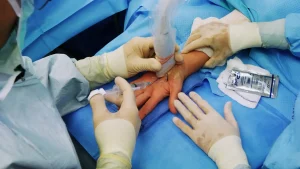
Enhancing Recovery With Ultrasound Guided Carpal Tunnel Release
The incorporation of ultrasound guided carpal tunnel release greatly enhances recovery outcomes for patients experiencing Carpal Tunnel Syndrome. By utilizing real-time imaging, this technique allows for precise localization of anatomical structures, minimizing tissue damage and optimizing surgical interventions. As a result, patients often experience reduced postoperative pain and swelling compared to traditional methods. Additionally, the minimally invasive nature of ultrasound-guided carpal tunnel release facilitates quicker rehabilitation, enabling individuals to return to their active lifestyles sooner. Enhanced accuracy in the procedure promotes improved functional outcomes, allowing patients to regain strength and mobility more effectively. Overall, this innovative approach not only streamlines recovery but also fosters a supportive environment for those committed to maintaining their active pursuits.
Success Stories: Active People Thriving After Surgery
Active individuals often share inspiring success stories following ultrasound guided carpal tunnel release, highlighting the transformative impact of this innovative surgical technique. Many report a swift return to their favorite activities, such as running, cycling, and playing sports, often within weeks of the procedure. Enhanced precision in targeting the affected area minimizes tissue damage, enabling quicker recovery times. Participants frequently note significant reductions in pain and improved hand function, which facilitates their active lifestyles. Community feedback emphasizes not only physical improvements but also heightened motivation and mental well-being. As these success stories circulate, they foster a sense of belonging among those who value an active lifestyle, reinforcing the efficacy of ultrasound-guided carpal tunnel release as a viable option for maintaining an engaged, fulfilling life.
Frequently Asked Questions
How Long Is the Recovery Period After Ultrasound Guided Carpal Tunnel Release?
The recovery period after ultrasound guided carpal tunnel release typically ranges from one to three weeks. Patients often experience gradual symptom relief, with most resuming normal activities within this timeframe, depending on individual healing rates.
Are There Any Risks Associated With Ultrasound Guided Carpal Tunnel Release?
Ultrasound guided carpal tunnel release carries risks such as infection, nerve damage, hematoma, and incomplete symptom relief. Patients should consult their physician to evaluate these risks in relation to their specific health conditions and activity levels.
Can I Return to Sports Immediately After the Procedure?
Immediate return to sports post-ultrasound-guided carpal tunnel release is generally discouraged. Patients should allow adequate recovery time, typically a few weeks, to guarantee proper healing and prevent complications that could hinder long-term athletic performance.
How Does Ultrasound Guided Release Compare to Traditional Methods?
Ultrasound guided carpal tunnel release offers enhanced precision and reduces recovery time compared to traditional methods. This minimally invasive approach minimizes tissue trauma, leading to quicker rehabilitation, making it favorable for active individuals.
What Should I Expect During the Ultrasound Guided Procedure?
During the ultrasound guided carpal tunnel release procedure, patients can expect real-time imaging, precise needle placement, minimal discomfort, and a quick recovery. The process enhances accuracy, ensuring effective treatment with reduced invasiveness compared to traditional methods.
Conclusion
To conclude, Ultrasound Guided Carpal Tunnel Release presents a transformative solution for individuals seeking to maintain their active lifestyles. By minimizing invasiveness and enhancing precision, this procedure greatly reduces recovery time and postoperative discomfort. The real-time imaging employed during surgery not only lowers complication rates but also promotes ideal functional outcomes. Consequently, patients can swiftly resume their preferred sports and activities, thereby improving both their physical health and emotional well-being, ultimately fostering a more fulfilling lifestyle.
You May Also Like To Read: